
Looking for something specific?
Use the search bar below.


Timeline of a Self-Published Book
There is a lot that goes into writing a book. Then, after you finish writing the book, there’s still a million more things to do! I hope this post will help you stay on track and take all the necessary steps to publish your book.


Action Beats
Action beats are a replacement for dialogue tags to show the action the character takes during or after speaking.

4 Common Mistakes of Christian Authors
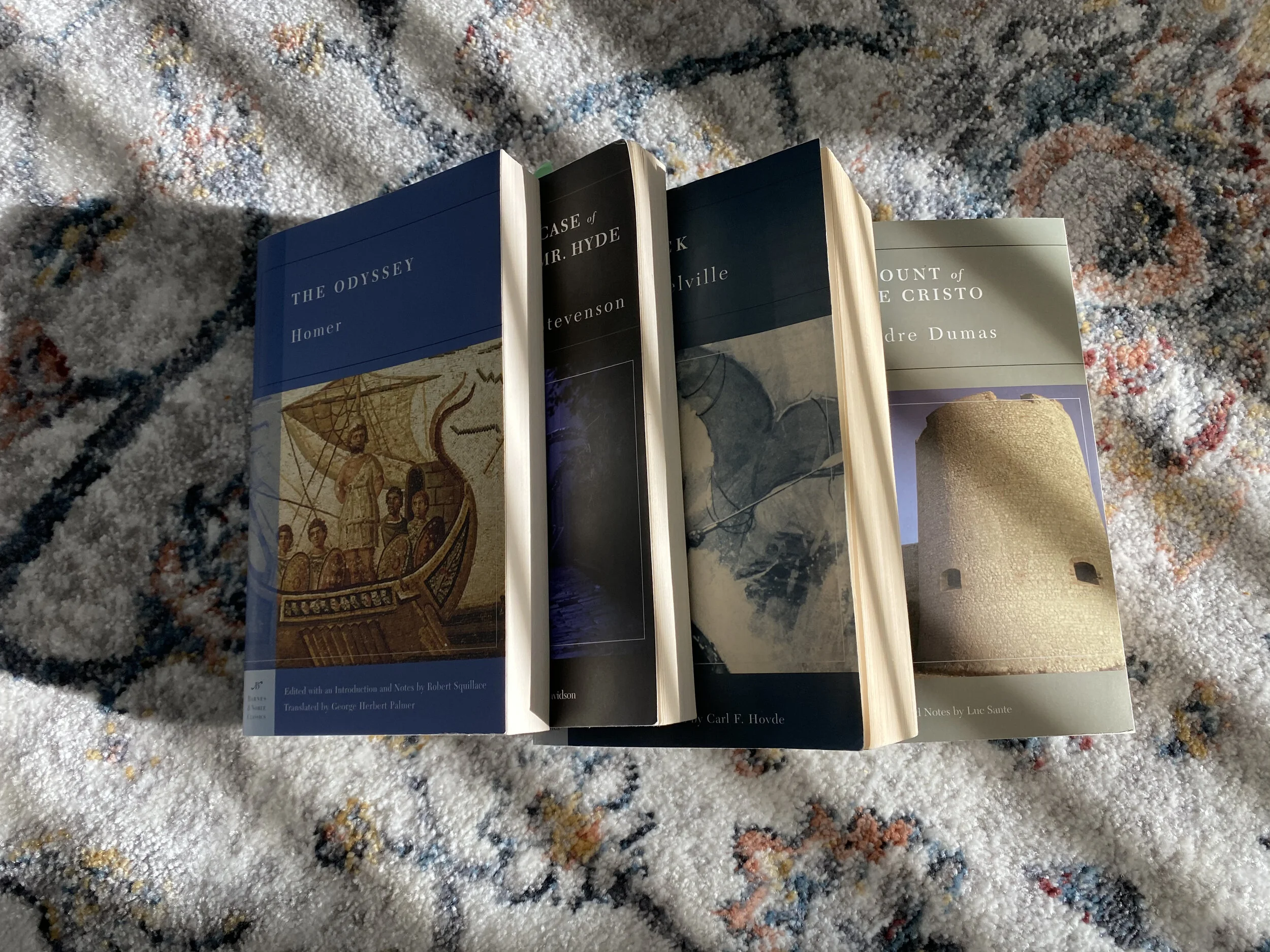
I work with a lot of Christian authors, and I noticed that most people are confused or don’t know about three particular things. Since these unique aspects only apply to this genre, they aren’t that well known. If you’re a Christian author, refer to God in a religious context, or quote any Bible Scriptures in your book, you’ll want to read this blog post!

Does My Book Need an Introduction?
Introductions are a crucial part of most nonfiction books (and some fiction books). Introductions talk about the subject material and give the reader any background information they may need before diving into the book. This way, you can start chapter one with the actual chapter one content rather than explaining terms and concepts in chapter one needed throughout the entire book.

Proofreading vs. Editing
Most people don’t know the difference between proofreading and editing, but these services are very different. For example, they should be done at different times in the publishing process, they work with different kinds of files, and their scope of work is vastly different. If you’re unsure which one you need, read below to find out the difference between proofreading and editing.

How to Cite Sources
Citing sources is essential to playing it fair in writing! Imagine spending a ton of time and effort to putting together a document of your own ideas based on your own research, and then someone comes along and pretends it’s their work. All they did was slap their name on your paper, and now they get all the credit! Unfair! That’s exactly what you’re doing to other people when you don’t cite your sources. Whether you’re directly quoting or paraphrasing someone else’s ideas, give credit where credit is due. Always. Another reason for citing sources, other than giving credit to others for their ideas, is to allow the readers to find those sources for more information. If you read a book with a lot of amazing quotes originating from a single book, you might be interested in reading that book. But you wouldn’t be able to do that if you didn’t know which book it came from.


Why Can’t My Editor Proofread My Book Too?
It may seem easier and cheaper to have an all-in-one editor, this way you get all the editing done in one go. Let me tell you why you shouldn’t do this.


Gendered Language: Tips for Inclusive Writing
It’s very rare that someone intentionally goes out to exclude someone through their writing, and most people don’t mean to throw in sexist stereotypes when they’re writing a book. And yet it happens every day. . . . Why is this? And more importantly, what can we do about it?

Style Sheets
A style sheet is basically a smaller style guide customized to each project. Style guides tell us the rules of English. The purpose of style guides is to ensure consistency throughout writing so we know what a piece of text is talking about. What if there wasn’t a single source telling us how to use a semicolon? I think; we’d use them; whenever we wanted. And it would be; confusing for everyone involved. So style guides are important.

8 Things You Should Know About Hiring an Editor
There are a lot of things to consider when hiring an editor, so here are eight tips to help you make the right decision.