

Looking for something specific?
Use the search bar below.


Do I Need Developmental Editing?
Whether someone needs developmental editing depends on the person and their manuscript and their goals for the manuscript. If you’re just writing because it makes you happy and you don’t care about making money, or because you just want to share your story with your family, maybe you don’t need it. If you’re creating a book out of a course (which is already structured well and pretty much acts as a detailed outline), maybe you don’t need it. If you prefer to use beta readers and critique partners to help you get the organization down, maybe you don’t need it.
It's totally up to you, your goals, your budget, and your timeline.


3 Mistakes of Writing a Memoir
I edit lots of memoirs, so I see lots of common developmental problems. If you can fix these before you get your book to an editor, the editor can focus on other issues, which results in a better book. Maybe after implementing these changes and working with beta readers, you even feel comfortable skipping developmental editing altogether and saving some time and money!
Here’s three common mistakes of memoir writers. Let’s get into it.

Beta Readers
Before paying anyone to edit your book, you can have beta readers read it to give you advice for free! (Yes, sometimes beta readers are paid. Those ones will probably guarantee better feedback than randoms from Facebook, but it’s up to you.)
Beta readers provide you with advice for the content of your book—yes, it’s that general. If you want them to focus on something specifically, ask them to do that: “Hi, when you’re reading my book, can you look at how the chapters are broken up? Let me know if you think it’s effective or know of another way to do it.” Otherwise, they’ll tell you whatever they think about your book from a reader’s standpoint.



Action Beats
Action beats are a replacement for dialogue tags to show the action the character takes during or after speaking.

Sentence Structure
You were probably taught this in school at some point, but it’s important, so let’s go over it again. Simple sentences, compound sentences, complex sentences, and compound-complex sentences are four basic types of sentence structure. Some people only know one or two types of sentence structure, which makes for really boring writing! It’s so repetitive!

4 Common Mistakes of Christian Authors
I work with a lot of Christian authors, and I noticed that most people are confused or don’t know about three particular things. Since these unique aspects only apply to this genre, they aren’t that well known. If you’re a Christian author, refer to God in a religious context, or quote any Bible Scriptures in your book, you’ll want to read this blog post!


Does My Book Need an Introduction?
Introductions are a crucial part of most nonfiction books (and some fiction books). Introductions talk about the subject material and give the reader any background information they may need before diving into the book. This way, you can start chapter one with the actual chapter one content rather than explaining terms and concepts in chapter one needed throughout the entire book.

Point of View
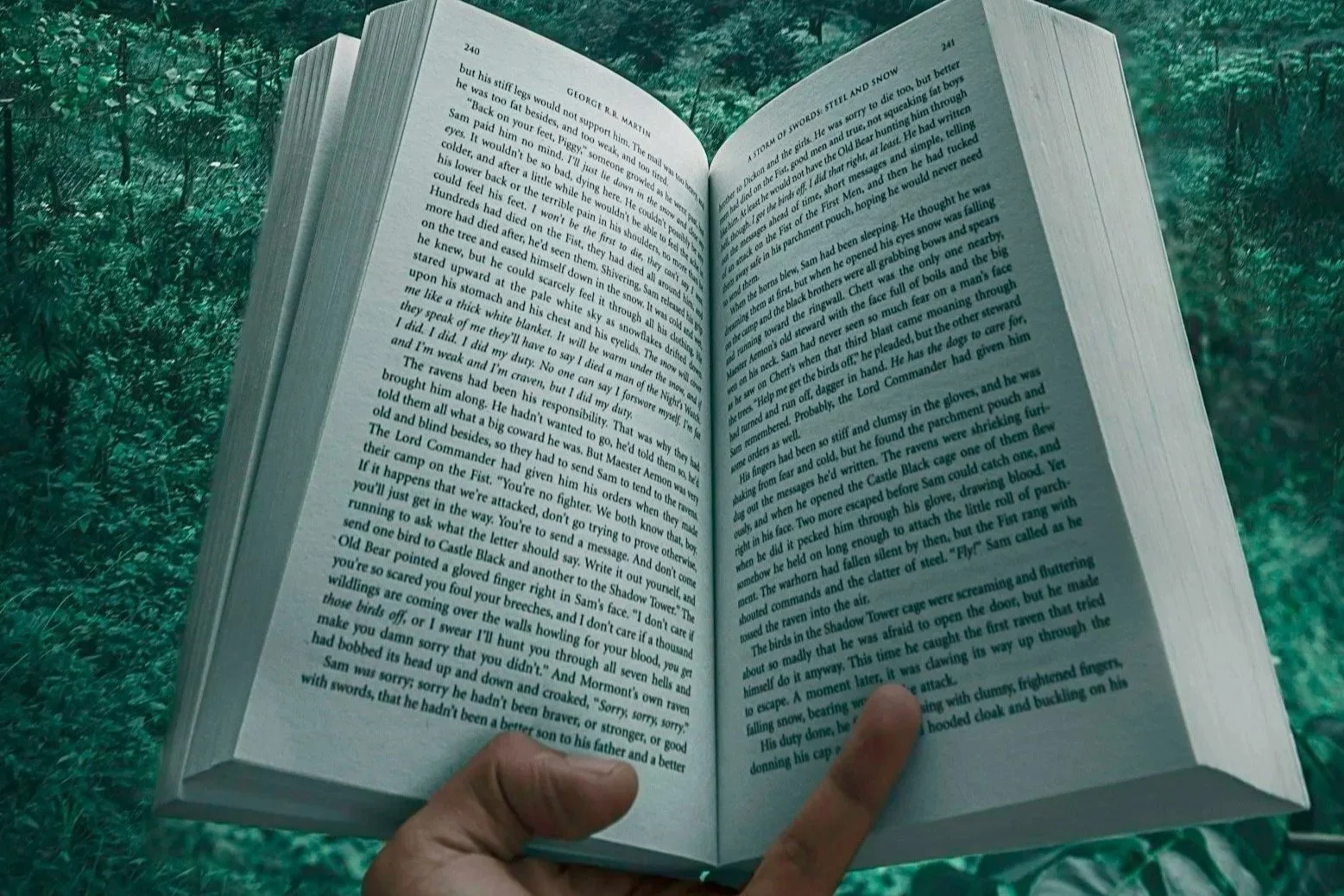
Point of view is the perspective from which the story is being told. Your choice of point of view can really change your story, so it’s important to make an educated decision. (This post isn’t going to go deep into all the points of view—because there are a lot—I’ll just touch on the top four most popular and most general.)


Parallel Structure in Lists
Lists come up in writing all the time when you want to keep together multiple items. They can be made up of words, phrases, or entire clauses. For the list to make the most sense and flow well, each item in the list needs to be parallel to the others. This means each item of the list must make sense independently with the list introduction. That’s confusing. Here’s an example.